FORMS & AUDIENCE
What should a form confirmation message say?
Prepare useful confirmation copy for newsletters, quotes and collaboration enquiries so customers understand what happens next.
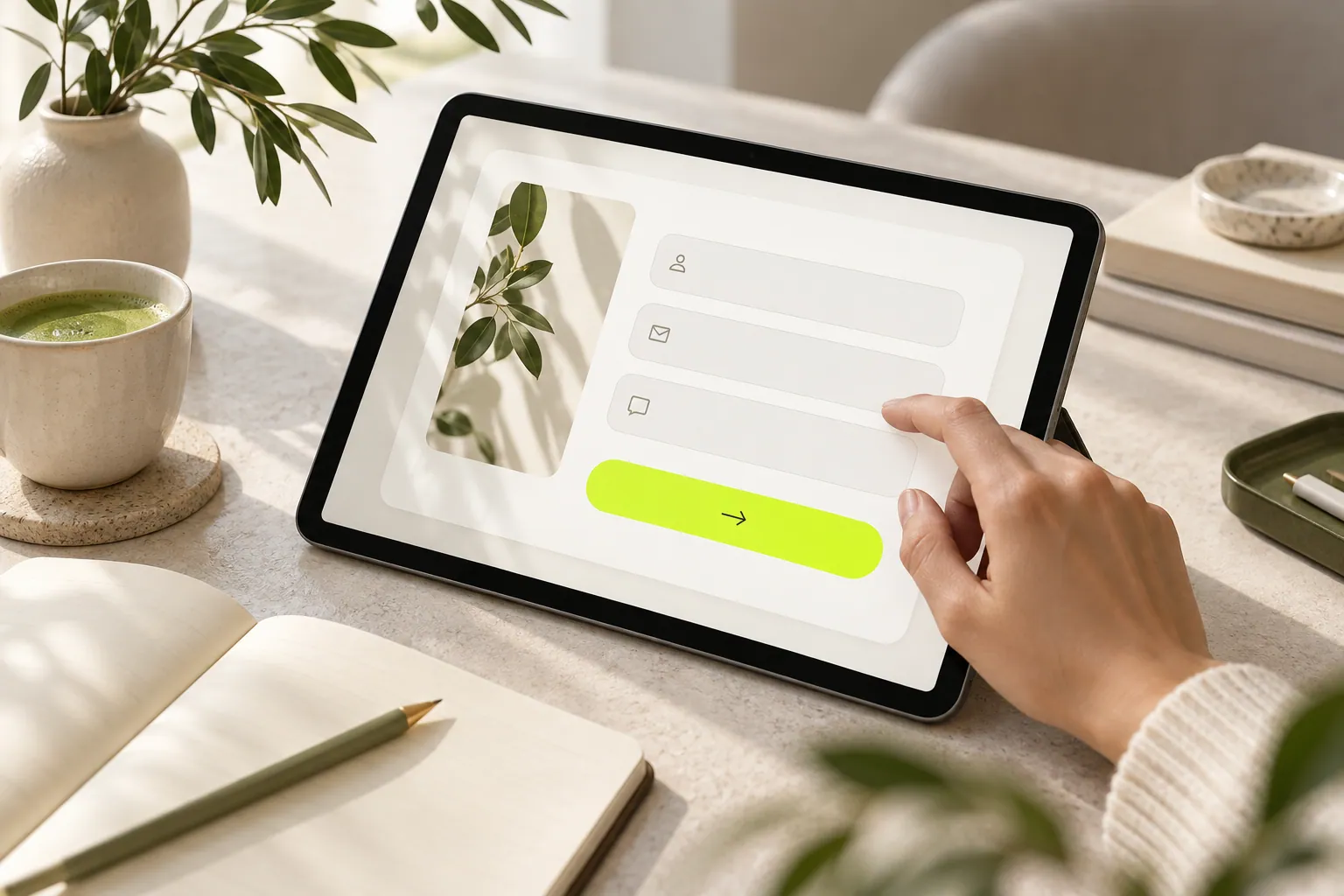
When you submit a form, you want a simple sign that the message arrived. Your customer does too. A useful confirmation answers that question and explains what to expect next.
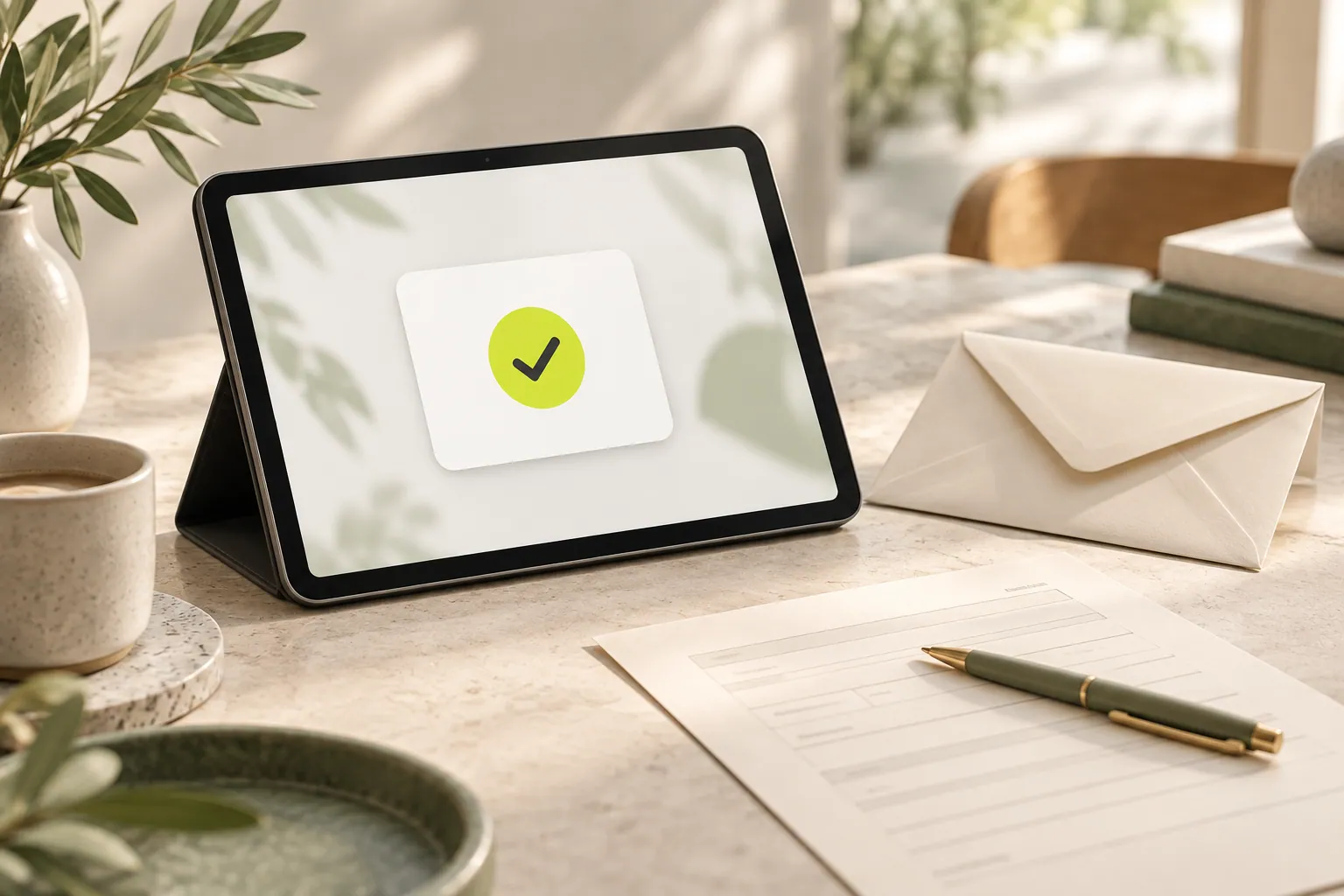
- Form submission
- Receipt confirmation
- Expected next step
Which action has actually completed?
If the enquiry was received, say that. It does not mean the quote is ready or an application has been accepted. “Your request has arrived and we will review the requirement” explains the real situation. The customer then understands why a reply will follow later.
Can newsletters and quote forms share a message?
They can share a layout, but the wording should change. Remind subscribers which news they will receive. Tell someone requesting a quote where the response will arrive. For collaborations, distinguish review from acceptance so the next step is clear.
Should you give a response time?
A timeframe can help when your team follows it. If timing is uncertain, explain the reply channel instead of promising a response within minutes. Consider how someone could contact you again after noticing they entered the wrong address.
What happens when submission fails?
Try incorrect entries as well as the successful route. A missing field should be easy to identify. If the message did not arrive, show a useful retry explanation rather than a thank-you screen. Help the customer decide whether they need to submit the information again.
Now let’s look at your own content.
- Name the completed action accurately.
- Explain the reply channel.
- Check the message after an unsuccessful submission.
COMMON QUESTIONS
A few more things you might be wondering.
Can I add a sales link to the confirmation?
Relevant content can help, but explaining the result comes first. A new invitation should not overshadow it.
Can all forms share the same message?
They can share a visual layout. Adapt the wording to newsletter, quote or application purposes.
Does received mean approved?
No. If review and acceptance are separate steps, make that distinction clear.